Pier and Beam Mold Repair: Why It Matters for Your Fort Worth Home
If your home sits on a pier and beam foundation, you already know that space underneath can be a mixed bag. It gives you access for plumbing and wiring, but it also creates a dark, damp environment where mold thrives. I have worked on dozens of these foundations in Fort Worth, and I can tell you that pier and beam mold repair is not a one-size-fits-all job. The climate, the age of the house, and how well the crawl space was sealed all play a role.
In this part of Texas, the rain season brings heavy downpours that can saturate the ground around your foundation. If the vapor barrier was never installed or has torn, moisture wicks up into the wood framing. That is when you start noticing a musty smell in the rooms above. A musty smell is usually the first sign that mold is growing on the subfloor or the structural posts. Ignoring it can lead to bigger problems like wood rot and termite damage.
Let me walk through what I have learned about pier and beam mold repair so you know what to look for and how to handle it.
Understanding the Crawl Space Environment
The crawl space under a pier and beam house is essentially a shallow basement with a dirt floor. Without proper encapsulation, that dirt floor releases moisture into the air. The humidity in that space can easily hit 80 percent or higher, especially during the Texas rain season. That level of moisture is perfect for mold growth. A good moisture meter or humidity meter can tell you exactly how damp the air is. I carry one on every inspection because the numbers do not lie.
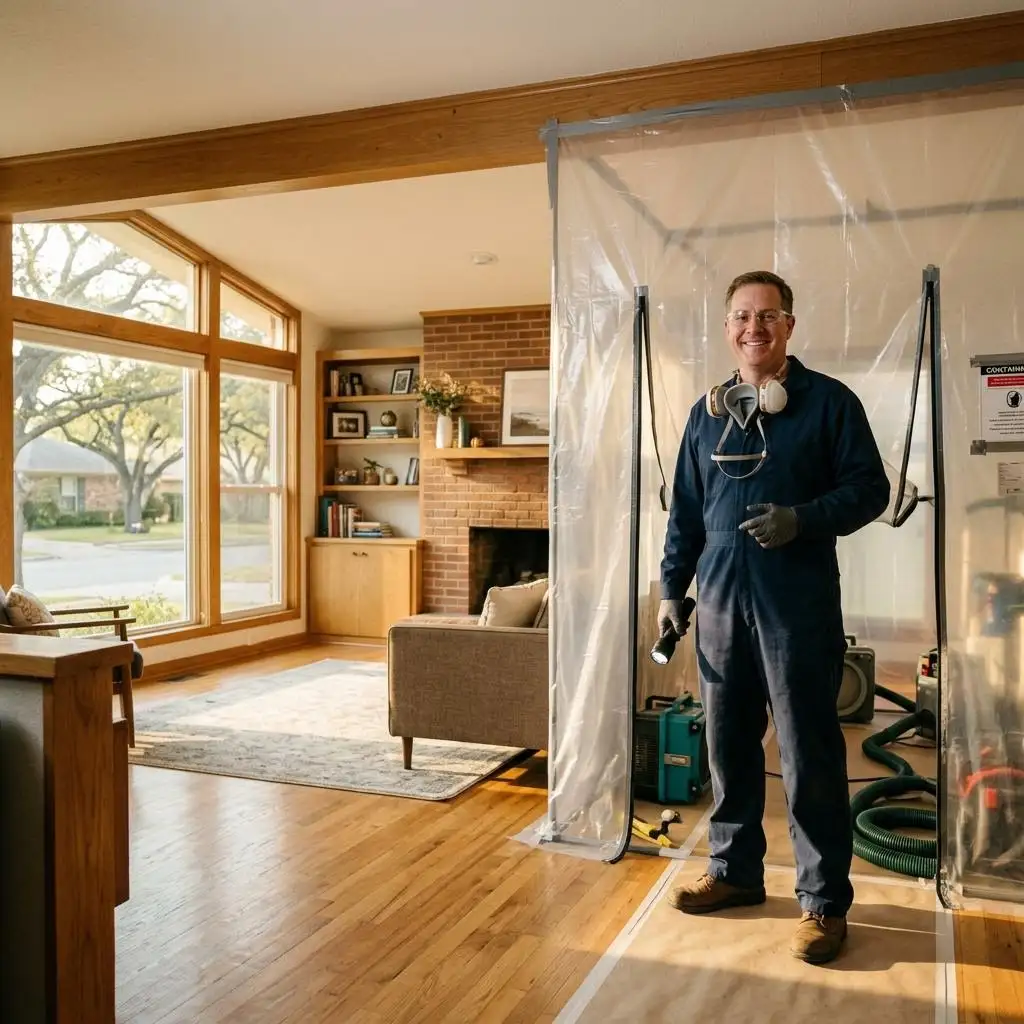
When I walk into a crawl space, the first thing I check is the condition of the vapor barrier. If the original polyethylene sheeting is torn or missing, the ground is exposed. That is a red flag. Over time, the moisture rising from the soil condenses on the underside of the subfloor. That plywood subfloor becomes a breeding ground for mold. In some older homes, I have found black mold growing on the subfloor so thick that it looked like a dark carpet.
Identifying the Source Before You Treat
Before diving into pier and beam mold repair, you have to find out where the moisture is coming from. Sometimes it is a leaking pipe in the crawl space. Other times it is poor drainage around the foundation. I recall a job in Fort Worth where the homeowner had a Trane air conditioner unit that was draining condensate directly onto the dirt floor. That single source kept the crawl space wet for months. Once we redirected the drain line and installed a subfloor insulation with a vapor barrier, the mold stopped coming back.
Using a moisture meter on the wood is essential. If the reading is above 20 percent, you have active moisture issues. You cannot just spray a biocide on the mold and call it done. You have to fix the water source first. Otherwise, the mold will return within weeks. That is the difference between a temporary fix and a real solution.
Removing Mold Safely
Once you have addressed the moisture source, you can move to removal. For small areas, a HEPA vacuum is the safest tool. It captures spores without blowing them into the air. I usually follow that with a cleaning solution like Concrobium, which is a biocide that kills mold and leaves a protective film. But you have to be careful. Not all biocides are safe for use in a crawl space where you might have pets or ventilation issues. Always read the label.
For larger infestations, you may need to remove and replace sections of plywood subfloor. That is especially true if there is wood rot or termite damage. I have seen cases where the structural posts were so weakened by mold and rot that they had to be reinforced with new lumber. That is when pier and beam mold repair becomes a structural repair. It is not just cosmetic. The integrity of your floor depends on those posts and beams staying dry.
Prevention Through Crawl Space Encapsulation
The best long-term solution is crawl space encapsulation. This means covering the dirt floor with a thick vapor barrier, usually a 6 to 12 mil polyethylene sheeting. You seal the seams with tape and extend the sheeting up the foundation walls. This stops moisture from evaporating into the crawl space air. It also makes the space easier to inspect and maintain. I have seen encapsulation reduce humidity levels from over 80 percent to around 50 percent. That makes a huge difference for mold prevention.
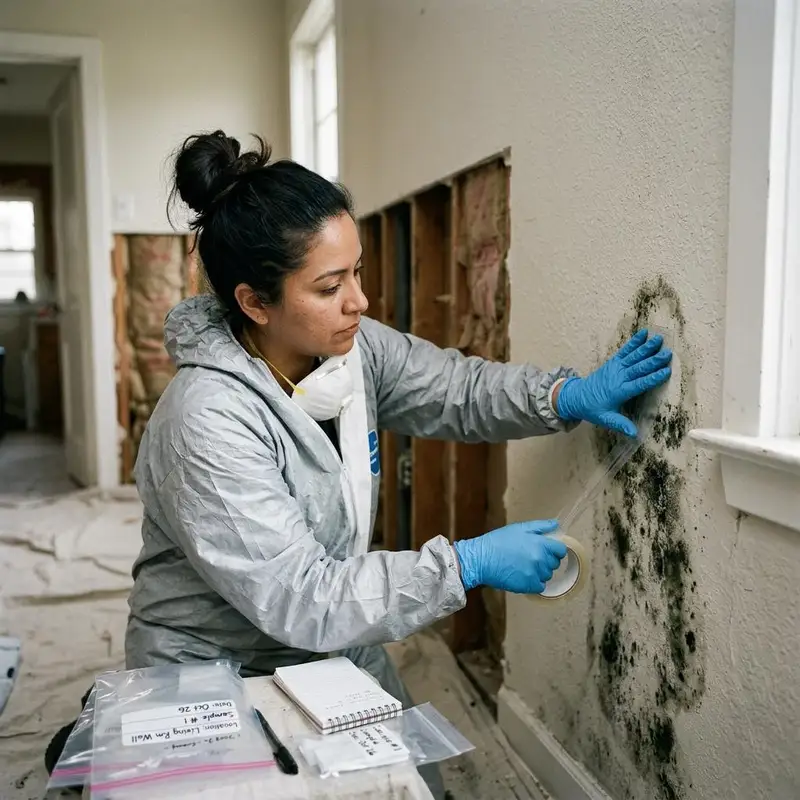
After encapsulation, you can add a ventilation fan to exchange the air. Some homes in Fort Worth also benefit from a dehumidifier in the crawl space during the wettest months. But you have to be realistic about the cost. A good dehumidifier and encapsulation can run several thousand dollars. However, compared to the cost of replacing a rotted subfloor or dealing with health issues from mold exposure, it is money well spent.
Practical Steps for Homeowners
If you are dealing with mold in your pier and beam foundation, here are a few things you can do:
- Check your vapor barrier. If it is missing or torn, replace it with new polyethylene sheeting.
- Use a humidity meter to monitor the crawl space. Keep it below 60 percent if possible.
- Inspect for leaks from appliances or plumbing. A simple fix like redirecting a drain line can solve a lot.
- If you see mold, do not disturb it dry. Use a HEPA vacuum or a damp cloth. Wear a respirator.
- Consider a hydrophobic coating on exposed wood after cleaning. It adds a layer of protection against future moisture.
These steps are not exhaustive, but they give you a starting point. Every home is different, and the severity of the problem varies. That is why a professional inspection is often worth the investment.
Why Fort Worth Homes Are at Risk
Fort Worth experiences periodic heavy rain, and many homes here were built on pier and beam foundations decades ago. The older homes often have no vapor barrier at all. The crawl spaces are dark, unventilated, and full of debris. I have seen crawl spaces with old insulation hanging down, rodent droppings, and standing water. That combination is a recipe for mold. It is not just a cosmetic issue. Mold can cause respiratory problems, especially for children and the elderly. That is why pier and beam mold repair should be taken seriously.
One homeowner I worked with had been dealing with allergies for years. After we encapsulated the crawl space and cleaned the mold from the subfloor, her symptoms improved noticeably. She told me she wished she had done it years earlier. That kind of feedback keeps me doing this work.
Final Thoughts on Repair and Maintenance
Mold in a crawl space is not something you can ignore. It spreads slowly at first, but once it takes hold, it can damage the structure and affect your health. The key is to act early. If you notice a musty smell or see dark spots on the wood, call a professional who understands crawl space dynamics. They will use tools like a moisture meter and a humidity meter to diagnose the problem. They will also know how to clean it safely without spreading spores into your living space.
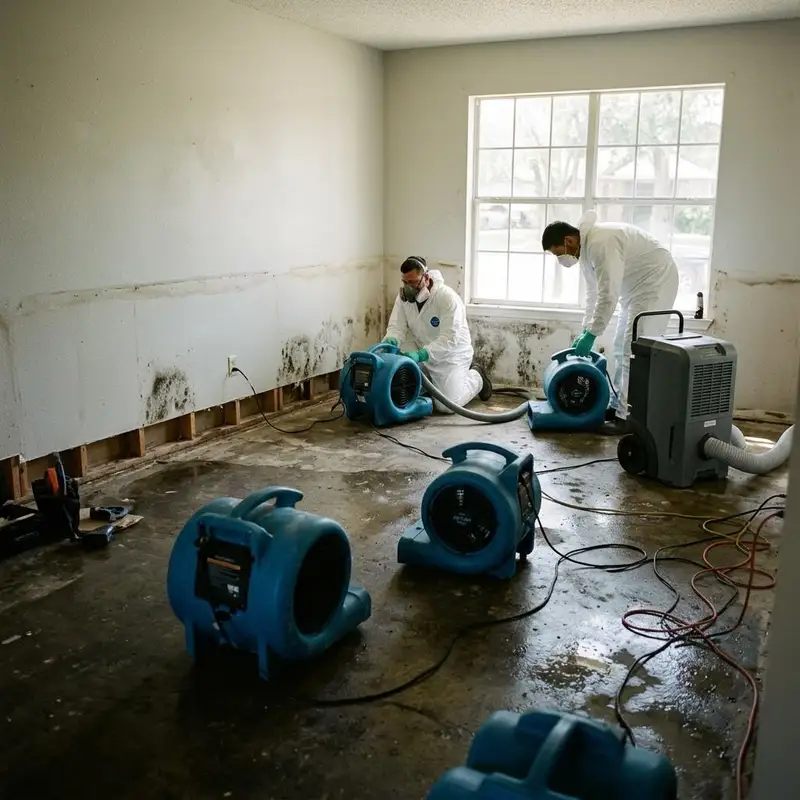
Remember that mold is a symptom of a moisture problem. Fix the moisture, and you fix the mold. That might mean improving drainage around your foundation, sealing the crawl space floor, or adding a dehumidifier. It might also mean replacing damaged wood and applying a biocide. But the effort is worth it. A dry crawl space means a healthier home and a longer-lasting foundation.
If you live in Fort Worth and suspect mold in your pier and beam foundation, do not wait. The Texas rain season will come again, and the moisture will return. Take control of your crawl space now, and you will save yourself a lot of trouble down the road.